
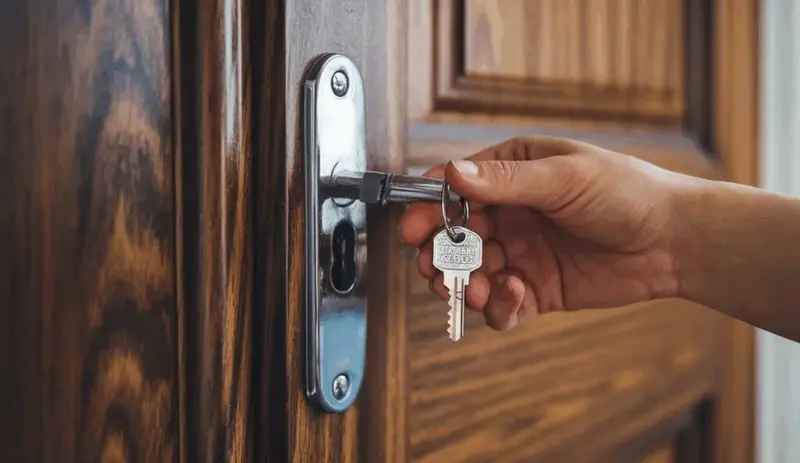
Is your key becoming difficult to turn or getting stuck inside the lock? An old lock cylinder is one of the most common causes of key problems. Understanding the warning signs early can help you avoid lockouts and expensive repairs.
Don’t worry—this is a common issue for homeowners. As lock cylinders wear out over time, they can affect how smoothly your key works. In this guide, we’ll explain the common causes, warning signs, and when repair or replacement is the best option.
When Your Lock Cylinder Starts Acting Up: What To Notice
Lock cylinders are mechanical components that experience wear through daily use. Dirt, moisture, worn internal pins, and aging parts can reduce their performance and eventually cause key-related problems.
Regular inspection and maintenance can help identify cylinder wear before it leads to a complete lock failure.
Why Does an Old Lock Cylinder Go Bad?
Every lock has a life: it’s made, it works, it slowly gets rough, then it stops. While a lock is used, tiny pieces inside – pins, springs, tiny chambers – sit in the keyway. Dust, dirt and even a little water can get in.
Those particles can cling to the springs and make them sticky. In wet places like Denton, TX, the metal may start to rust a little. Turning the key again and again puts tiny pushes on the pins, and after many turns they may shift a bit out of place.
Frequent use, poor maintenance, worn keys, and exposure to dust or moisture can all shorten the lifespan of a lock cylinder.
You may also like this: Why Won’t My Back Door Lock Catch Properly?
Signs Your Lock Cylinder Needs Care
A few things usually tip you off that the lock is tired:
- Key won’t go in easily – the key feels tight or catches.
- Turning feels harder – you have to push more, the lock feels “tight”.
- It sometimes sticks – the key stops for a second then works again.
- Rust shows up – any brown spot in the keyhole or on the edge means the metal is corroding.
If you notice more than one of these symptoms, it’s a good idea to have the lock inspected before it stops working completely.
Can You Fix an Old Lock Cylinder?
In many cases, a lock cylinder can be cleaned, lubricated, or repaired without replacing the entire lock. A professional locksmith can inspect the cylinder and recommend the most cost-effective solution.
A locksmith from Near Me Locksmith, LLC can open the lock, shake out dust, put a little special oil in, and if a spring looks weak they might replace it.
Small fixes like adjusting the depth of a pin or tightening a small screw can get the lock working again. It’s a bit like a bike tune-up: a quick fix keeps the ride smooth and avoids a big breakdown.
Addressing minor cylinder issues early can extend the life of your lock and improve its overall performance.
When Should You Just Replace It?
If cleaning and tiny repairs don’t help, or if you see big problems – cracked outer case, seriously rusted pins, the key breaking inside – then swapping the cylinder is the safe bet. New cylinders nowadays last longer and turn easier.
Some even work with smart-home devices, letting you lock or unlock from a phone. Remember, don’t try to pull a broken key out by yourself; you could damage the lock even more. Call a licensed locksmith, let them take out the stuck piece and fit a new cylinder properly.
Replacing a severely worn lock cylinder improves both reliability and home security, especially if the existing lock has become difficult to operate.
Bottom Line
An old lock cylinder can often be the reason your key becomes difficult to turn or stops working properly. Regular maintenance, timely repairs, and replacing worn components when necessary can help prevent lockouts and improve your home’s security. If you’re unsure about the condition of your lock, a professional locksmith can inspect it and recommend the best solution.