
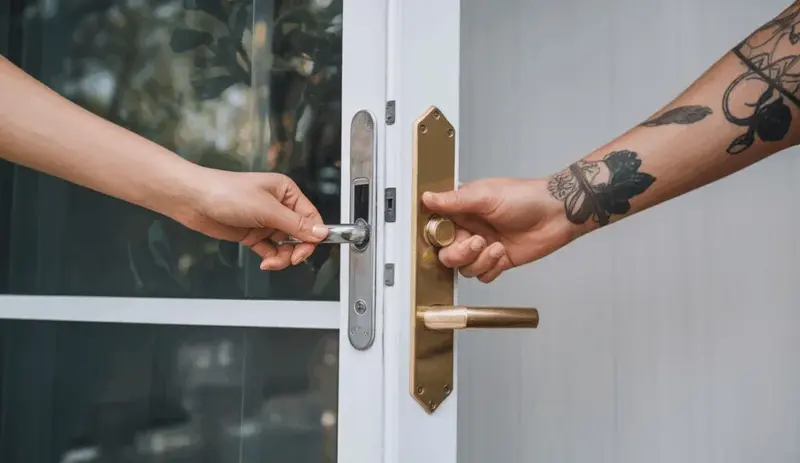
Is your back door lock not catching properly when you try to lock or unlock it? This common problem is often caused by door misalignment, worn lock components, or dirt inside the lock. Identifying the cause early can help prevent lockouts and improve your home’s security.
Don’t ignore a back door lock that isn’t working properly. In this guide, we’ll explain the most common causes, simple troubleshooting tips, and when it’s time to contact a professional locksmith.
Why does My Lock Feel Sticky?
A back door lock that doesn’t catch properly is usually caused by alignment issues, worn internal parts, dirt buildup, or normal wear from daily use. Understanding the cause makes it easier to choose the right solution.
The feeling is tiny-annoying, and it’s usually a mix of simple things that build up over time.
Seasonal weather changes and moisture can also affect the door frame and lock alignment, especially on exterior doors.
First, a door frame that’s out of line can cause issues. Houses shift as they settle, and wood absorbs moisture. That swelling or warping can shove the bolt against an uneven strike plate, making it harder to move.
A second cause is a lock getting old. Inside the lock, pins and springs are meant to slide smoothly, but after years of use, they get tired. Your key then feels like it’s climbing a hill.
Finally, dirt and little bits build up inside the cylinder dust, metal shavings, even bits of outdoor mud. Think of it like a bike chain that’s gotten gritty; the same friction slows the lock down.
Regular cleaning and proper lubrication can help prevent dirt buildup and improve the lock’s performance over time.
Can I Fix It on my own?
Good news – many sticky locks can be tackled with easy DIY tricks. The top thing to try is a dab of graphite powder on the key. Slip the key in, turn it a few times, and let the dry powder coat the inner bits.
Rule of thumb: stay away from oil-based lubes. They tend to pull more dust in the long run. Graphite stays dry and keeps grit away.
If the lock still acts stubborn, check the hinges and strike plate. Tightening the screws on the hinges can bring the door back onto the frame. Ensure the metal plate where the bolt hits sits flush – no gaps.
A word of warning: if you keep trying without change, or feel unsure about how far to turn screws, stop. Pushing too hard can wear internal pins out faster, potentially leaving you with a lock that can’t lock.
Avoid forcing the key or slamming the door, as this can damage the lock cylinder, latch, or strike plate.
More on this: Why Does My Lock Feel Loose and Wobbly?
When Should I Call in a Pro?
If basic troubleshooting doesn’t solve the problem, a professional locksmith can inspect the lock, identify worn or damaged components, and recommend the best repair or replacement option.
In Denton, TX, local locksmiths bring expertise beyond just opening a stuck lock. A professional can spot hidden damage that most miss and provide comprehensive solutions.
One safety tip: if your key snaps inside the lock, don’t yank it out yourself. DIY pulling can break the lock body, making it totally unusable and forcing an even more expensive repair.
What a good locksmith near me brings:
- Finds exactly what’s wrong with the lock
- Gives options that follow safety rules
- Keeps your house safe while they work
- Can install fresh hardware if needed
- Early repairs can often prevent complete lock failure and help extend the lifespan of your existing lock.
When security matters – especially when you’re worried about potential vulnerabilities – put the tools down and let an expert handle it.
A sticky lock may seem small but might hide bigger wear or alignment problems that could threaten your safety if ignored. Knowing why it sticks, trying sensible DIY fixes, and knowing when to call for help keeps your lock working and home secure.
A stubborn lock isn’t just annoying—it’s a potential security risk. Don’t wait until it becomes a bigger problem.