
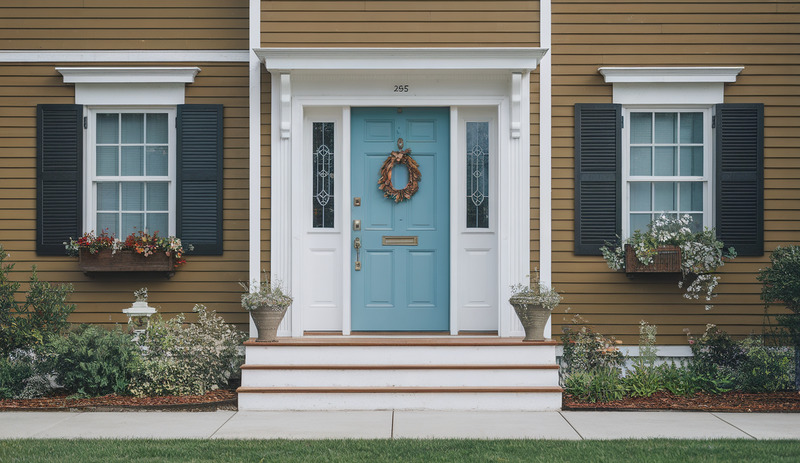
You’re standing at your front door with your key, but the lock suddenly won’t turn. A lock that worked perfectly yesterday is now refusing to open. This unexpected problem can leave you locked out and wondering what went wrong.
Don’t worry just yet. Most front door lock problems have simple causes and can often be fixed. In this guide, we’ll explain the most common reasons your lock stopped working and when it’s time to call a professional locksmith.
When Your Lock Suddenly Stops Working: What You Need to Know
A front door lock that stops working is more than an inconvenience. It can affect your home’s security and leave you locked outside when you least expect it. Fixing the problem early helps prevent bigger issues later.
It’s a real hole in the shield that keeps your house, office or car safe. When the tumblers freeze, the security’s hinge starts to corrode, opening the door for someone nasty to get in.
What Could Be Causing My Lock to Suddenly Fail?
Environmental Factors
Cold snaps and hot days make metal grow and shrink. In freezing weather the steel shrinks, pins get stuck; heat can make them swell and feel sticky, like a seized engine piston. In Denton, TX, where temperatures can swing dramatically, these environmental challenges are especially common.
Moisture, humidity, and sudden temperature changes can also affect the internal parts of your lock. Regular maintenance helps keep your lock working smoothly throughout the year.
Contamination
Dust, sand and grime slip inside the lock just like sand gets into a car engine. Those tiny bits build up and act like a sticky barrier that blocks the springs and levers.
Cleaning and lubricating your lock regularly can prevent dirt buildup and help extend its lifespan.
Wear and Tear
Locks get used a lot. Each turn adds pressure, torque and exposure. Over time pins, springs and the cam get tiny cracks that end up in a full‑on failure.
If your lock is several years old and used daily, replacing worn parts or installing a new lock may be the safest option.
Can I Fix This Myself—or Do I Need a Professional?
DIY Options
- Graphite‑based lubricant – Sprinkle a dry graphite powder into the keyway. Graphite doesn’t attract dust like oily sprays do.
- Tighten loose screws – Look at the lock plate and the hardware around it. Too loose or too tight screws can pull the latch out of line and stop it from catching.
- Check alignment – Make sure the door sits straight with the frame. A warped door or sagging hinge can move the bolt away from the strike, making the lock dead.
- Take out anything blocking – Peek inside for stray bits of metal or debris that might be blocking the bolt’s path.
Pro Tip: Never force the key if the lock feels stuck. This can damage the key or the lock, making repairs more expensive.
Too much push can bend pins, strip the keyway or even crack the lock head, making the problem worse.
When to Call a Pro
If the lock still doesn’t work after trying basic troubleshooting, contact a professional locksmith. They can quickly identify the problem, repair damaged parts, or recommend a replacement if needed.
How Serious Is a Malfunctioning Lock?
A broken lock is basically a “welcome sign” for burglars who always look for weak spots. Studies of break‑ins show thieves love doors with jammed or rusty locks. Ignoring a lock that keeps misbehaving raises the chance it’ll finally give out when you need it most.
A faulty lock can also make it easier for someone to force entry. Repairing the problem early helps keep your home and family safe.
You May Like To Read: Can Old Lock Cylinder Be Causing Key Problems?
What Will a Locksmith Do to Help?
- Find the problem – Use special gauges and a light to see what’s wrong: a mis‑set bolt, a worn pin, or something stuck inside.
- Do a full check – Look at the whole setup: cylinder, strike plate and nearby hardware, to see if anything else is off.
- Spot hidden issues – Find stuff like corroded springs, cracked housings or a bent keyway that a quick look might miss.
- Suggest a cheap fix – Tell you the cheapest way to solve it, whether that’s swapping a single spring or replacing the whole lock set.
In many cases, a locksmith can repair the existing lock without replacing the entire hardware, helping you save time and money.
Safety note: If your key snaps in the cylinder, don’t try to pull it out yourself. Call a locksmith or you’ll probably make the damage worse.
Bottom Line
A front door lock that suddenly stops working should never be ignored. Regular maintenance and early repairs can prevent lockouts and improve your home’s security. If the problem continues, a professional locksmith can quickly diagnose the issue and recommend the best solution.
Near Me Locksmith, LLC provides trusted residential locksmith services throughout Denton, TX. Whether you need lock repair, lock replacement, or rekeying, our experienced team is ready to help.