
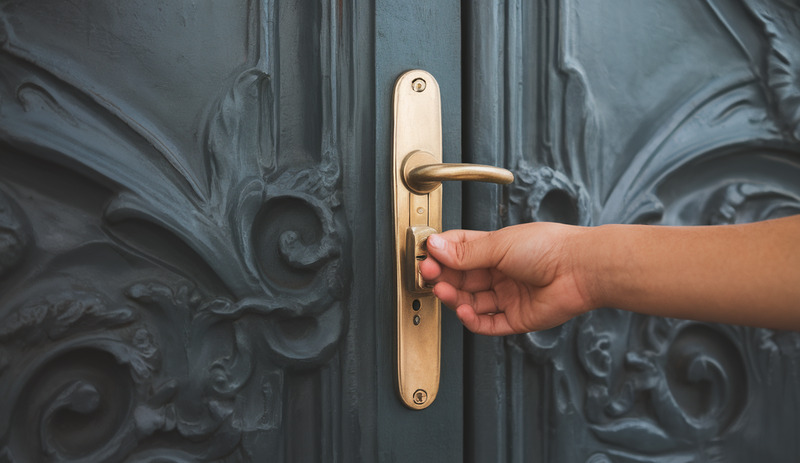
Does your lock work one day but refuse to work the next? An inconsistent lock is a common problem that can be caused by worn components, dirt buildup, weather changes, or poor door alignment. Identifying the cause early can help prevent unexpected lockouts and costly repairs.
One moment it turns smoothly, the next it’s stuck tight, leaving you frustrated and wondering what’s going on.
Don’t worry—this problem is more common than many homeowners realize. In this guide, we’ll explain why locks become unreliable, what warning signs to watch for, and when it’s time to contact a professional locksmith.
Locks are mechanical devices that wear down over time, and understanding why they become temperamental can save you a lot of headaches. We’ll break down the mystery of inconsistent locks and help you figure out when it’s time to get professional help.
Understanding Lock Failures: When to Fix or When to Toss
Door locks are designed to provide reliable security, but like any mechanical device, they experience wear over time. Regular use, environmental conditions, and lack of maintenance can all affect how consistently a lock performs.
This short paper will help you spot a lock that’s about to quit, know when to call a locksmith in Denton, TX, and decide if a simple fix will do or a whole new lock is better.
An intermittent lock problem should never be ignored, as it often indicates that internal components are beginning to fail.
Why Locks Start Acting Up
Locks are tiny machines that turn a key into a series of moves inside. Over time several things can wear them down. Age causes metal to get tired, springs lose their bounce, and clearances get bigger.
Dust can sit in the pins and stop them from moving. Normal wear means every turn on the key slowly erodes the parts, like a baseball bat that gets dents after many swings.
Weather shifts like hot summers and freezing winters can make metal expand then shrink, throwing everything a little out of line. Heavy traffic on doors that get used dozens of times a day wears locks faster.
Loose lock cylinders, worn keys, damaged strike plates, and poor door alignment are also common reasons why a lock works inconsistently.
What Your Lock Might Be Trying to Tell You
If you pay attention, you can hear the early warnings before the lock quits completely. Look for hard key turns where you feel extra resistance when twisting.
Watch for an inconsistent lock that sometimes clicks and sometimes won’t, even though the key is the same. A key that feels caught or won’t come out easily is another warning sign.
Odd noises like grinding or squealing where there used to be just a quiet click point to internal wear or mis-alignment. Spotting these clues early can save you from being locked out.
Ignoring these early warning signs may eventually lead to complete lock failure or an unexpected lockout.
Also Check Out: Why Did My Front Door Lock Suddenly Stop Working?
When to Call a Professional
When problems happen frequently, they change from a nuisance to a safety risk. At that point, getting a qualified locksmith makes sense. The pro will check how old the lock is and how much wear exists.
A key tip: don’t try to yank out a broken key yourself – you could bend the cylinder and make the problem worse. A professional locksmith can inspect the lock, identify worn or damaged components, and recommend whether repair or replacement is the most effective solution.
Quick Fixes vs. Pro Work
Small issues can be handled with easy tricks like spraying graphite lubricant into the keyhole or tightening a loose latch. Yet if the lock keeps acting up, the cause is likely deeper.
Messing with a stubborn lock might break pins or the entire cylinder. Professionals own special tools that let them see inside without causing extra wear.
Sometimes, replacing the whole lock ends up cheaper than repeated repairs. Today’s high-security locks last longer, resist picking better, and often have longer warranties.
If simple maintenance doesn’t solve the problem, continuing to force the lock may cause additional damage and increase repair costs.
A Little Extra Thought
Not every replacement is about damage. Some owners trade in a lock because they like a newer style or a landlord wants a “modern” look. This raises the question: are we fixing things because they’re broken, or because we want to upgrade?
Comparing the age, condition, and repair cost of your existing lock can help determine whether repairing or replacing it is the better long-term investment.
Conclusion
A lock that works only some of the time is usually a sign that something needs attention. Addressing the issue early can improve your home’s security and help prevent unexpected lockouts. If the problem continues, a professional locksmith can inspect the lock and recommend the most appropriate solution.